AI Business Authority — Part 16: Sustainable Thought Leadership Playbook
A comprehensive, step-by-step guide for AI entrepreneurs and marketers to establish lasting authority through ethical storytelling, data-driven content, and measurable outcomes.
Building sustainable AI Business Authority requires a deliberate combination of ethical storytelling, genuine community engagement, and measurable thought leadership initiatives. Rather than chasing viral moments or exaggerated claims, the most effective approach centers on consistent delivery of transparent, data-backed insights that demonstrate real expertise. This playbook provides the complete framework for AI companies to establish credibility that translates into business growth, partnership opportunities, and market influence.
Table of Contents
- What Is AI Business Authority?
- Ethical Storytelling as the Core Pillar
- Crafting Data-Driven Case Studies
- Building and Engaging Community
- Strategic Partnerships & Co-Marketing
- Public Speaking, Webinars, and Virtual Events
- Publishing Research & Thought Leadership
- Leveraging Social Proof & Endorsements
- Measuring Authority: KPIs and Analytics
- Avoiding Common Pitfalls
- Scaling Authority from Campaign to Culture
- Conclusion: Your Action-Oriented Roadmap
1. What Is AI Business Authority in 2024?
AI Business Authority represents the level of trust, credibility, and influence your organization commands within the broader AI ecosystem. It encompasses how industry peers, potential customers, media outlets, and decision-makers perceive your expertise, reliability, and thought leadership contribution. Unlike vanity metrics such as follower counts or website traffic, authority manifests in tangible business outcomes including partnership inquiries, speaking invitations, inbound sales leads, and media mentions.
In the current market landscape, AI Business Authority matters more than ever. The AI space has matured beyond the point where buzzwords and hyperbolic claims capture attention. Decision-makers, investors, and enterprise buyers have become sophisticated evaluators who can distinguish genuine expertise from marketing fluff. This shift creates both a challenge and an opportunity: companies that invest in authentic authority-building will find themselves with significant competitive advantages, while those relying on superficial tactics will struggle to gain traction.
For founders, CTOs, and marketers, understanding AI Business Authority means recognizing that authority cannot be purchased or shortcut. It must be earned through consistent demonstration of knowledge, ethical practice, and genuine value delivery. Industry observers suggest that meaningful authority-building typically requires sustained effort over extended periods—often spanning several months to multiple years—before substantial results become evident, depending on factors such as market segment, resource investment, and consistency of execution.

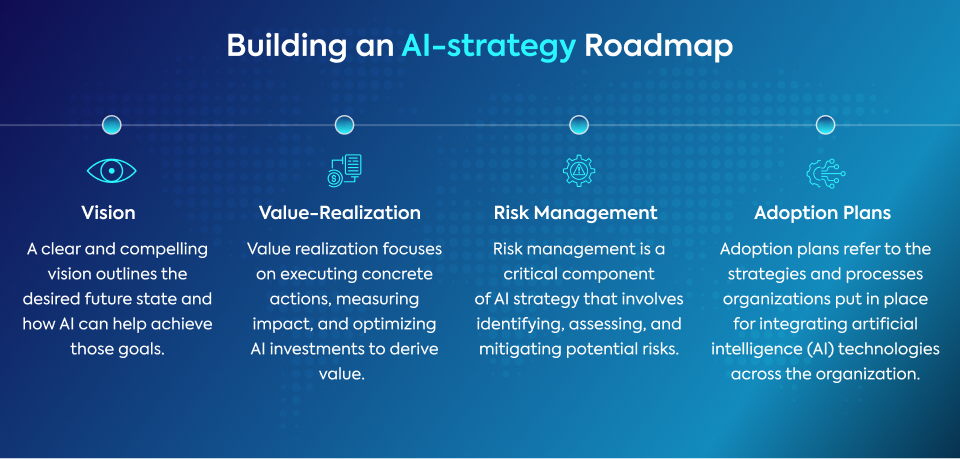
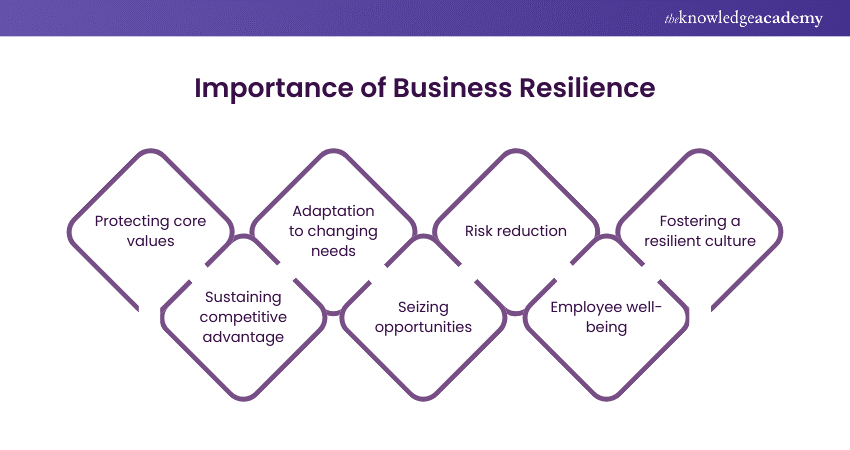
The interconnected pillars of sustainable AI Business Authority building
For additional context on establishing thought leadership foundations, explore our Introduction to AI Business Authority and Content Strategy for AI Companies.
Example: Real Authority vs. Surface Authority
Consider two hypothetical AI companies in the healthcare space. Company A publishes weekly blog posts filled with industry buzzwords and vague claims about “revolutionary” technology. Company B shares detailed technical whitepapers, publishes open-source contributions to repositories like Hugging Face or TensorFlow, actively participates in healthcare AI discussions, and transparently discusses both successes and failures. Over time, Company B naturally attracts industry recognition, partnership opportunities, and enterprise customers—not because they marketed harder, but because they built genuine credibility through demonstrated expertise.
2. Ethical Storytelling as the Core Pillar
Every piece of thought leadership content your organization produces tells a story. Ethical storytelling means crafting these narratives with honesty, transparency, and respect for your audience’s intelligence. This approach forms the foundation of sustainable authority because it builds trust that compounds over time rather than eroding it through disappointment or distrust.
At its core, ethical storytelling requires acknowledging what your AI technology can and cannot do. The temptation to overstate capabilities stems from competitive pressure and short-term growth goals, but this approach consistently backfires as stakeholders become more knowledgeable and regulatory scrutiny increases—including frameworks like the EU AI Act that are reshaping compliance expectations. Instead, frame your capabilities in concrete terms with specific use cases, measurable outcomes, and honest limitations.
The Transparency Framework
When communicating AI capabilities, apply this six-part framework to ensure ethical storytelling:
Transparency Framework for AI Communication
- Scope Definition: Clearly state what the AI system does and the specific problem it addresses.
- Technical Honesty: Describe the underlying technology in terms your audience can understand without exaggeration.
- Evidence Requirement: Support claims with verifiable data, case studies, or third-party validation where available.
- Limitation Acknowledgment: Proactively address constraints, edge cases, and scenarios where performance may vary.
- Ethical Considerations: Discuss how your AI addresses bias, privacy, and broader societal impacts.
- Process Transparency: Share how decisions are made, how models are trained, and how performance is monitored.
Note: This transparency framework synthesizes established principles from AI ethics discourse and responsible AI communication practices.
Applying this framework consistently transforms your content from promotional noise into valuable resource material that audiences actively seek out and share. Each piece of content becomes a building block for deeper trust and authority.
3. Crafting Data-Driven Case Studies
Case studies represent one of the most powerful tools in your authority-building arsenal because they demonstrate real-world impact rather than theoretical promises. However, effective case studies require careful construction to maximize credibility while avoiding common pitfalls that undermine authority.
Selecting Success Stories
Choose case studies based on several criteria that signal authority value. Look for projects with measurable outcomes across multiple dimensions, projects that presented genuine challenges your team solved, and engagements where the client can speak to the experience. Avoid cherry-picking only perfect success stories—acknowledging challenges overcome demonstrates authentic expertise more effectively than flawless narratives.
The Measurable Outcomes Template
Structure each case study to highlight quantifiable results using this template:
Case Study Structure
- Challenge Statement: What specific problem did the client face? (Include relevant context about their industry and constraints)
- Solution Approach: How did your AI technology address the challenge? (Be specific about methodology and implementation)
- Implementation Timeline: What were the key phases and duration? (Establishes realistic expectations)
- Measurable Results: What specific metrics improved and by how much? (Use concrete numbers, not percentages of unknown bases)
- Client Perspective: Direct quotes or paraphrased insights from the client about their experience
- Lessons Learned: What would you do differently? What challenges emerged? (Shows maturity and honesty)
Illustrative Case Study Example
“A mid-sized logistics company faced challenges with route optimization across their regional distribution network. Rather than claiming our AI ‘revolutionized’ their operations, we documented the specific improvements: measurable reductions in fuel costs, demonstrable gains in delivery reliability, and implementation completed within a defined timeline. The client noted that the transparency during implementation—particularly when initial models underperformed on rural routes—built confidence in our partnership approach.”
Note: This example illustrates recommended case study structure and communication style. Actual results will vary based on specific circumstances, data quality, and implementation factors.
4. Building and Engaging Community
Authority without community resembles a tree falling in an无人听的森林. Your expertise gains value when shared with and validated by an engaged audience. Community building transforms passive consumers of your content into active participants who amplify your message, provide feedback that improves your offerings, and create network effects that accelerate authority growth.
Platform-Specific Strategies
Different platforms require different approaches to maximize engagement and authority building:
LinkedIn serves as the primary platform for B2B AI thought leadership. Focus on long-form posts that share insights, engage meaningfully with comments, and participate in relevant industry discussions. Industry observations suggest that substantive engagement tends to perform better than broadcast-style posting, though platform algorithms evolve frequently.
Medium works well for longer-form content that demonstrates deeper expertise. Publications within your niche can provide built-in audiences, but prioritize quality and consistency over chasing viral topics.
YouTube and Podcast Channels extend reach into multimedia formats increasingly popular for thought leadership. Video demonstrations, interview formats, and educational content can differentiate your authority presence. Platforms like YouTube host numerous AI thought leaders—from academic voices like those associated with Stanford’s AI Lab to industry practitioners—who have built substantial audiences through consistent, valuable content.
Industry Forums and Niche Communities offer opportunities to contribute value in specialized contexts. Active participation in communities like specific AI research forums, industry-specific Slack groups, or specialized Discord servers positions your team as genuine contributors rather than promotional accounts.
The Engagement Framework
Effective community engagement follows a consistent approach regardless of platform:
Two-Way Engagement Principles
- Respond to comments during the initial engagement period after publishing
- Ask questions that encourage discussion rather than passive consumption
- Share others’ content when relevant to your community’s interests
- Acknowledge different perspectives even when disagreeing respectfully
- Provide value first without expecting immediate returns
- Feature community members through quotes, interviews, or spotlight posts
Remember that community engagement is genuinely two-way. Broadcasting content without responding to your audience creates a one-way relationship that lacks the authenticity necessary for authority building.
5. Strategic Partnerships & Co-Marketing
Strategic partnerships amplify your authority by association. When recognized leaders in the AI ecosystem align with your organization, their credibility transfers partially to your brand. However, effective partnerships require genuine mutual value and careful execution to avoid appearing transactional or opportunistic.
Identifying Partnership Opportunities
Focus on partnerships that create natural alignment with your expertise and audience:
Approaching Potential Partners
When approaching potential partners, lead with value creation rather than promotional requests. Propose specific collaboration ideas that benefit both parties, demonstrate familiarity with their work, and suggest low-commitment initial engagements that allow both sides to evaluate the relationship.
6. Public Speaking, Webinars, and Virtual Events
Public speaking establishes authority through direct demonstration of expertise and creates memorable impressions that written content cannot replicate. Securing speaking opportunities requires strategic approach, thorough preparation, and consistent execution to maximize the authority-building potential of each engagement.
Conference Speaking Strategy
Major AI conferences like NeurIPS, CVPR, ICML, and industry-specific events attract audiences actively seeking expertise. The speaking selection process varies, but successful approaches share common elements:
- Submit proposals that address specific pain points or emerging challenges rather than generic company presentations
- Propose sessions that include practical takeaways audiences can implement immediately
- Offer to speak on topics where you have genuine expertise and original insights to share
- Include case studies or research findings that differentiate your proposal from theoretical talks
- Consider speaking on controversial topics where your perspective adds value to broader discussions
Webinar Excellence
Webinars offer lower-barrier opportunities to establish authority while building direct relationships with interested audiences. Effective webinars require:
High-Impact Webinar Elements
- Clear value proposition stated within the first 30 seconds
- Content that could not be found through a simple Google search
- Interactive elements such as polls, Q&A sessions, or live demonstrations
- Concrete examples and case studies rather than abstract concepts
- Recorded sessions repurposed into blog posts, clips, and social content
7. Publishing Research & Thought-Leadership Content
A consistent publishing calendar builds authority through accumulated visibility and demonstrated expertise over time. The most effective approach balances frequency with quality, ensuring each piece contributes meaningful value rather than diluting your brand with filler content.
The Publishing Calendar Framework
Structure your thought leadership content across multiple formats and distribution channels:
Content Mix Recommendations
- Original Research: Regular publications analyzing industry trends, benchmark studies, or novel findings from your work. These position your organization as a knowledge generator rather than just a content curator. Industry reports from organizations like McKinsey, Gartner, or Deloitte often inform benchmarking approaches.
- Opinion Essays: Perspectives on AI ethics, industry developments, or emerging technologies. These demonstrate thought leadership and invite engagement through disagreement or agreement.
- Technical Deep-Dives: Content for practitioner audiences covering implementation details, tool comparisons (such as TensorFlow vs. PyTorch), or MLOps best practices.
- Case Studies: Detailed project documentation following the framework in Section 3.
- External Contributions: Regular submissions to Harvard Business Review, MIT Technology Review, TechCrunch, and industry publications to reach broader audiences and build third-party credibility.
Building AI Ethics Board Perspectives
Participation in AI ethics discussions or establishment of an internal ethics board provides material for thought leadership that addresses stakeholder concerns about responsible AI development. Industry leaders like Andrew Ng and organizations such as the Partnership on AI have contributed significantly to these discussions. Sharing your perspectives respectfully demonstrates mature thinking that differentiates you from companies focused solely on capability advancement.
8. Leveraging Social Proof & Endorsements
Social proof validates your authority claims through independent third-party validation. Strategically gathering and presenting endorsements, certifications, and recognition amplifies trust signals that audiences use to evaluate your credibility.
Types of Authority Signals
Effective social proof comes in multiple forms, each carrying different weight with different audiences:
- Client Testimonials: Direct quotes