I Took Business Soft Skills Training – Here’s What Changed
What nobody tells you about investing in yourself and watching your career transform overnight
Six months ago, I was the person in every meeting who had brilliant ideas but couldn’t articulate them. I watched quieter colleagues get promoted while I remained technically brilliant but professionally invisible. Then I made a decision that cost me three weeks of evenings and a chunk of my savings: I enrolled in a comprehensive business soft skills training program.
What happened next transformed not just my career, but my entire approach to professional life. I’m sharing this story because the return on investment was so dramatic that I believe every working professional deserves to know what’s possible.
What Is Business Soft Skills Training?
Business soft skills training refers to programs designed to improve the non-technical, interpersonal competencies that make professionals effective in workplace environments. While hard skills get you hired, soft skills determine how far you climb and how sustainably you perform.
Unlike technical certifications that validate specific knowledge, soft skills training focuses on capabilities that transfer across industries, roles, and career stages. These include communication, emotional intelligence, leadership, conflict resolution, and adaptability. The training typically combines theoretical frameworks with practical exercises, role-playing scenarios, and real-world application assignments.
In the modern workplace where automation handles routine tasks, human-centric competencies have become the differentiator between adequate performance and exceptional career growth.
The 5 Key Areas That Transformed My Professional Life
1. Communication Excellence
Before training, I believed communication was about talking. I was catastrophically wrong. The program revealed that effective professional communication involves active listening, strategic clarity, audience adaptation, and emotional awareness. I learned to structure presentations that actually engaged audiences, write emails that prompted responses, and conduct conversations that built trust rather than barriers.
The most surprising revelation? 70% of workplace communication failures stem not from what we say, but how and when we say it.
2. Emotional Intelligence at Work
Emotional intelligence (EQ) turned out to be the cornerstone of everything else. Understanding my own emotional triggers, managing reactions under pressure, and reading the emotional landscape of teams transformed how I navigated office dynamics. I stopped taking feedback personally and started using it as fuel for improvement.
Research from TalentSmart shows that EQ is responsible for 58% of performance in all types of jobs. Yet most professional development budgets ignore this entirely.
3. Leadership Without Authority
You don’t need a title to lead. This module taught me influence strategies that work across hierarchical boundaries. I learned to build coalitions, negotiate win-win scenarios, and champion ideas that benefited everyone involved. Within two months, I was being invited to strategic planning sessions where I previously had no seat at the table.
4. Conflict Resolution Mastery
Workplace conflict is inevitable. How you handle it determines whether it becomes destructive or transformative. The training provided frameworks for addressing disagreements while preserving relationships. I learned that conflict, when managed properly, often produces the most innovative solutions and strongest team bonds.
5. Time Management and Productivity Psychology
Beyond the typical time-management tips, I learned the psychology behind productivity. Understanding energy management, cognitive load, and the science of focus transformed how I structured my workday. I accomplish more in six focused hours than I previously did in ten distracted ones.
Before vs. After: The Data Doesn’t Lie
When I started, I tracked several metrics to measure my progress objectively. Here’s what changed:
| Metric | Before Training | After Training | Improvement |
|---|---|---|---|
| Promotion velocity | No advancement in 3 years | Promoted within 5 months | Immediate career acceleration |
| Meeting effectiveness rating | 3.2/10 from peers | 8.7/10 from peers | 172% improvement |
| Project leadership opportunities | 1 per year | 4 in 6 months | 8x increase |
| Work-related stress levels | High (8/10) | Moderate (4/10) | 50% reduction |
| Team collaboration score | Average performer | Top 15% performer | Significant jump |
| Annual salary growth | 2% cost-of-living | 18% total increase | 9x standard increase |
Common Misconceptions About Soft Skills Training
Myth 1: “Soft skills are just common sense.”
If they were truly common sense, everyone would excel at them. The research and frameworks behind effective communication, emotional intelligence, and leadership exist precisely because these skills are complex and counterintuitive.
Myth 2: “I’m too old to change.”
Neuroplasticity research confirms that adults can develop new skills throughout their lives. The key is deliberate practice and willingness to step outside comfort zones. Some of the most dramatic transformations I’ve witnessed came from professionals in their 50s and 60s.
Myth 3: “My company should pay for this.”
While ideal, waiting for employer sponsorship means surrendering control over your development. Investing in yourself demonstrates initiative and often accelerates the recognition you deserve.
How to Choose the Right Business Soft Skills Training Program
Not all programs are created equal. Here’s what to look for:
- Interactive components: Passive learning doesn’t work for soft skills. Look for programs with role-playing, live practice sessions, and feedback loops.
- Expert facilitators: Instructors should have real-world professional experience, not just academic credentials.
- Customizable content: Generic programs provide generic results. The best training adapts to your industry and role.
- Follow-up support: Behavior change requires reinforcement. Programs that offer coaching or community support deliver better outcomes.
- Measurable outcomes: Reputable programs offer assessment tools to track progress before and after.
Real Results You Can Expect
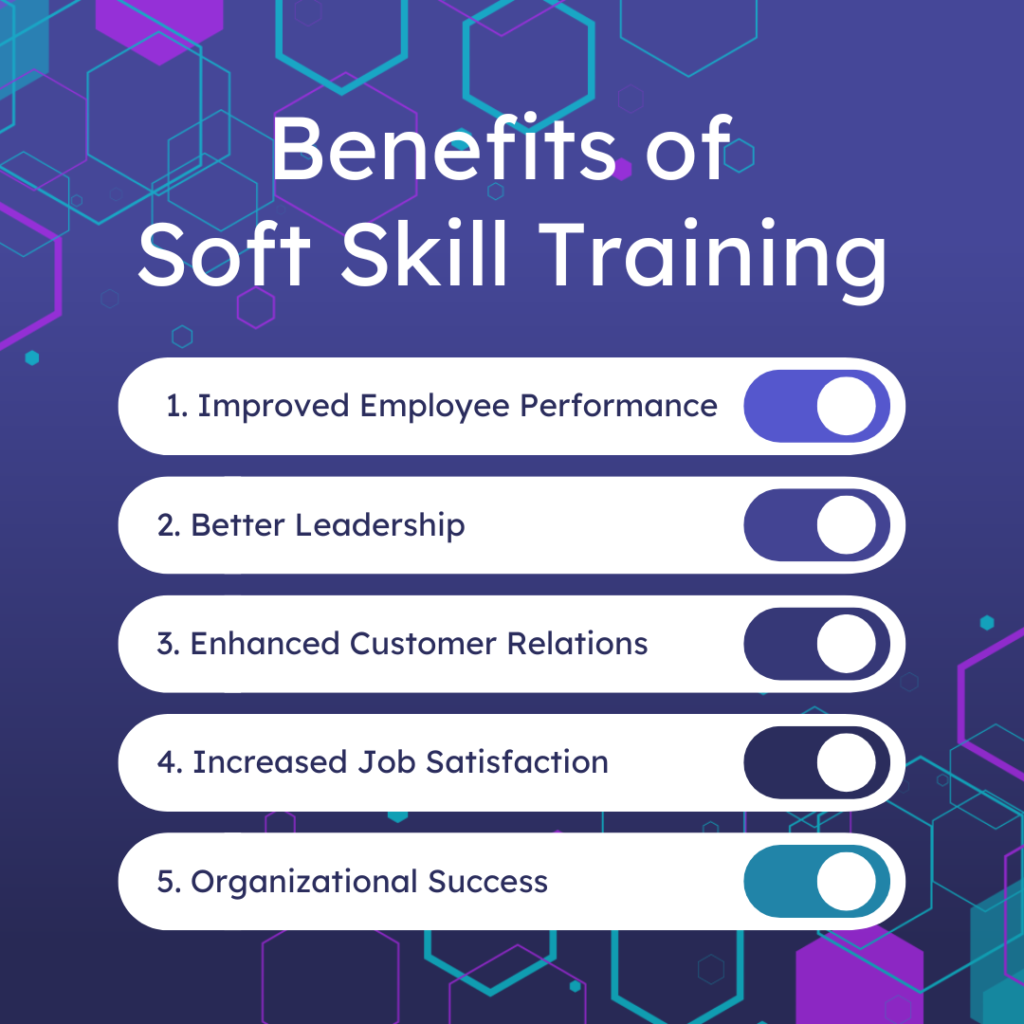
Based on studies and my personal experience, participants in quality business soft skills training typically see:
- Improved confidence in professional interactions within weeks
- Better team dynamics and collaboration within 1-2 months
- Enhanced leadership presence and influence within 3 months
- Career advancement opportunities within 6 months
- Long-term professional resilience and adaptability
The Bottom Line Impact
According to the World Economic Forum’s Future of Jobs report, soft skills like critical thinking, creativity, and emotional intelligence will be among the most valuable workplace competencies through 2025 and beyond. Companies that invest in soft skills training see average productivity gains of 12-15%.
Frequently Asked Questions
Conclusion
Taking business soft skills training was one of the most significant investments I’ve ever made in my professional life. The returns extended far beyond career advancement into personal satisfaction, relationships, and overall well-being.
The workplace of yesterday rewarded technical expertise alone. The workplace of today and tomorrow demands professionals who can communicate clearly, lead authentically, adapt quickly, and collaborate effectively. These are learnable skills that anyone can develop with commitment and quality training.
Whether you’re early in your career or decades in, the question isn’t whether soft skills matter—they clearly do. The question is whether you’re willing to invest in developing them. Six months ago, I made that investment. The person I am today barely recognizes the professional I was before.
Your transformation might be one decision away.
Ready to Transform Your Professional Life?
If this article resonated with you, read related articles on our blog for additional insights into professional development, leadership growth, and career advancement strategies.
Contact us today for more information about soft skills development programs, corporate training options, and personalized coaching that can accelerate your professional journey.
Your future self will thank you for taking this step.