How Fortune 500 Companies Use Business Software Solutions to Dominate Their Industries
In today’s hyper-competitive business landscape, companies constantly seek ways to gain an edge over rivals, streamline operations, and maximize profits. One strategy that has proven remarkably effective for industry giants is the strategic implementation of comprehensive business software solutions. From Fortune 500 corporations to emerging enterprises, these powerful technological tools have become essential for sustainable growth and operational excellence.
But what exactly are business software solutions, and why have they become so crucial for major corporations? More importantly, what can smaller businesses learn from how these corporate giants leverage technology to achieve their goals? This article explores the strategies, tools, and approaches that Fortune 500 companies use to transform their operations through business software solutions.
What Are Business Software Solutions?
business software solutions encompass a wide range of technological applications designed to help organizations manage, automate, and optimize their various business functions. These solutions include enterprise resource planning systems, customer relationship management platforms, human resources management software, financial accounting applications, supply chain management tools, and countless other specialized programs that address specific operational needs.
The global market for business software solutions continues to expand dramatically. According to industry research, the enterprise software market is projected to reach hundreds of billions of dollars in revenue, reflecting the increasing dependence of modern businesses on digital tools for their core operations.
How Fortune 500 Companies Implement Business Software Solutions
1. Enterprise Resource Planning (ERP) Systems
Fortune 500 companies consistently rank ERP systems among their most critical business software solutions. These comprehensive platforms integrate multiple business functions into a single, unified system that provides real-time visibility across the entire organization.
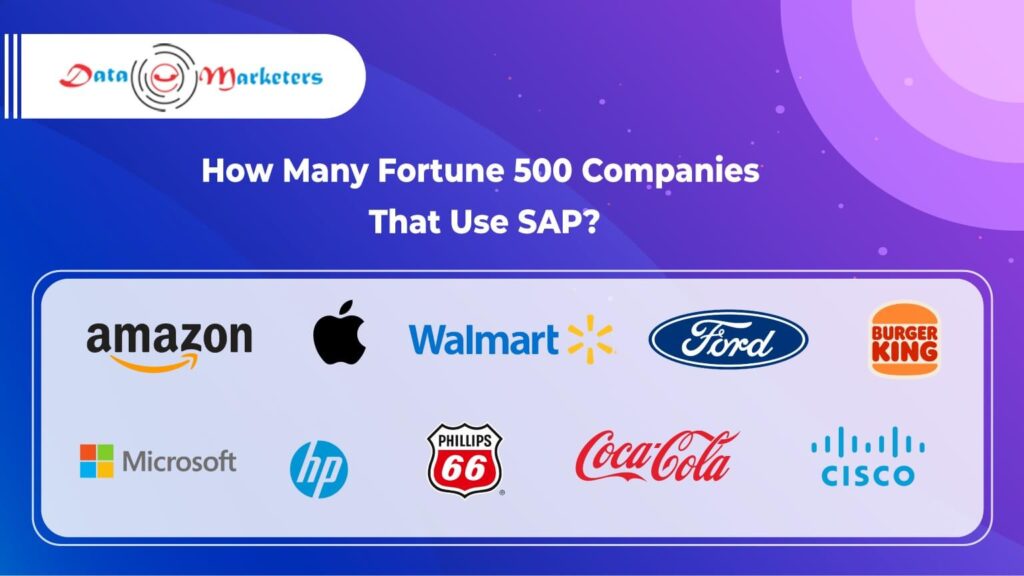
Major corporations like Walmart, Amazon, and Microsoft have invested billions in sophisticated ERP implementations that connect their supply chain management, inventory control, financial reporting, and human resources operations. The result is seamless data flow between departments, reduced redundancies, and significantly improved decision-making capabilities.
2. Customer Relationship Management (CRM) Platforms
Understanding customer behavior and maintaining strong relationships stands at the heart of every successful enterprise. Fortune 500 companies utilize advanced CRM business software solutions to centralize customer data, track interactions, analyze purchasing patterns, and personalize marketing efforts.
Companies like Apple, Nike, and Coca-Cola leverage CRM platforms to deliver exceptional customer experiences that drive brand loyalty and increase lifetime customer value. These systems enable sales teams to work more efficiently while providing marketing departments with actionable insights for targeted campaigns.
3. Business Intelligence and Analytics Tools
Data-driven decision making has become a cornerstone of corporate strategy, and Fortune 500 companies rely heavily on sophisticated analytics business software solutions to transform raw data into strategic insights. These tools process vast amounts of information from multiple sources to identify trends, predict outcomes, and guide executive decisions.
Retail giants like Target and Best Buy use predictive analytics to optimize inventory levels and anticipate consumer demand. Financial institutions employ advanced algorithms for risk assessment and fraud detection. Healthcare organizations analyze patient data to improve treatment outcomes and operational efficiency.
The Numbers Behind Business Software Solutions Adoption
The following table illustrates the widespread adoption and impact of business software solutions among Fortune 500 companies:
| Software Category | Adoption Rate (%) | Average Investment | Primary Benefit |
|---|---|---|---|
| ERP Systems | 85% | $5-50 million | Operational integration |
| CRM Platforms | 78% | $1-20 million | Customer retention |
| Business Intelligence | 72% | $500K-10 million | Data-driven decisions |
| Cloud Solutions | 91% | Variable | Scalability |
| Automation Tools | 68% | $100K-5 million | Cost reduction |
Key Strategies That Make Business Software Solutions Effective
Strategic Integration
Fortune 500 companies don’t simply purchase business software solutions and hope for the best. They approach implementation strategically, ensuring that new systems integrate seamlessly with existing infrastructure and align with overall corporate objectives.
Successful integration requires careful planning, executive sponsorship, cross-functional collaboration, and phased implementation approaches that minimize disruption while maximizing adoption rates among employees.
Continuous Training and Support
The most sophisticated business software solutions prove worthless if employees cannot use them effectively. Fortune 500 companies invest heavily in comprehensive training programs, ongoing support resources, and change management initiatives that help staff embrace new technologies.
Companies like General Electric and Boeing have established dedicated training centers and internal certification programs that ensure employees develop the skills necessary to leverage business software solutions effectively.
Scalability Considerations
As companies grow and evolve, their business software solutions must grow with them. Fortune 500 corporations prioritize scalable solutions that can accommodate increasing data volumes, expanding user bases, and evolving functional requirements without requiring complete system replacements.
Benefits That Fortune 500 Companies Experience
The strategic implementation of business software solutions delivers measurable benefits that directly impact the bottom line. Companies report significant improvements in operational efficiency, with many achieving cost reductions of 20-40% in specific functional areas.
Customer satisfaction scores typically improve as businesses deliver more consistent, personalized experiences. Employee productivity increases as manual processes become automated and information becomes more accessible. Strategic insights enable faster, better-informed decisions that capture market opportunities ahead of competitors.
Lessons for Smaller Businesses
While Fortune 500 companies have resources that smaller businesses cannot match, the fundamental principles behind their business software solutions strategies apply at any scale. Start with clear objectives, prioritize solutions that address core business needs, invest in proper implementation and training, and measure results consistently.
Many modern cloud-based business software solutions offer scalable pricing models that make enterprise-level functionality accessible to companies of all sizes. The key is selecting the right tools for your specific circumstances and implementing them strategically rather than haphazardly.
Frequently Asked Questions
What types of business software solutions do Fortune 500 companies use most?
Enterprise resource planning systems, customer relationship management platforms, business intelligence tools, and cloud-based collaboration solutions rank among the most commonly implemented business software solutions in Fortune 500 companies. These categories address the core operational, customer, analytical, and connectivity needs that drive corporate success.
How much do Fortune 500 companies invest in business software solutions?
Investment levels vary significantly based on company size, industry, and specific needs. However, large corporations typically spend millions to tens of millions of dollars annually on business software solutions, including licensing fees, implementation costs, training, and ongoing maintenance and support.
How long does it take to implement business software solutions?
Implementation timelines depend on the complexity of the solution and the scope of deployment. Simple single-function business software solutions may require only weeks, while comprehensive enterprise-wide implementations can take 12-24 months or longer. Most Fortune 500 companies engage in continuous improvement cycles that extend indefinitely.
What is the ROI of business software solutions?
Return on investment varies by solution type and implementation quality. Well-executed business software solutions commonly deliver ROI ranging from 100% to over 500% within the first few years of operation. Key value drivers include labor cost reduction, error minimization, improved decision-making, and enhanced customer satisfaction.
Can small businesses use the same business software solutions as Fortune 500 companies?
Many enterprise-level business software solutions offer scaled-down versions designed for smaller organizations. Cloud computing has also democratized access to powerful business software solutions that were once exclusively available to large corporations. Small businesses can often achieve similar benefits by selecting appropriately sized solutions and implementing them strategically.
Conclusion
Business software solutions have evolved from optional enhancements to absolute necessities for companies seeking competitive success. Fortune 500 companies demonstrate daily that strategic technology investment, thoughtful implementation, and comprehensive training deliver tangible results that impact every aspect of organizational performance.
Whether you operate a global corporation or a growing small business, the principles remain the same: select business software solutions that align with your strategic objectives, implement them thoroughly, train your people effectively, and measure your results consistently.
The technology landscape continues evolving rapidly, with artificial intelligence, machine learning, and advanced automation creating new possibilities for organizations willing to embrace innovation. Companies that leverage these emerging business software solutions effectively will likely dominate their industries for years to come.
Read related articles and contact us for more information.
Ready to transform your business operations with powerful business software solutions? Explore our comprehensive guides, case studies, and implementation resources to discover how technology can revolutionize your organization. Our team of experts is standing by to help you select, implement, and optimize the perfect business software solutions for your unique needs.