
Why Your Small Business Needs These Software Solutions NOW
If you think your small business can survive on pen, paper, and a handful of spreadsheets, think again. In 2025, more than 60% of small businesses in the United States will rely on at least one cloud‑based business software solutions to stay competitive. Companies that act now are already seeing a 25% boost in productivity, a 15% reduction in operating costs, and faster decision‑making powered by real‑time data. The question isn’t whether you need modern software—it’s how quickly you can adopt it before the competition leaves you behind.
The Changing Landscape of Small Business
Digital transformation isn’t just for corporations with massive IT budgets. Small businesses are now expected to deliver the same level of service, speed, and data insight as larger enterprises. Customers expect instant responses, seamless transactions, and personalized experiences. Employees want tools that let them work from anywhere, on any device. If you’re still juggling disconnected systems, you’re adding friction to every interaction.
Why Traditional Methods Fall Short
Manual processes are slow, error‑prone, and hard to scale. A misplaced invoice can become a cash‑flow crisis; a missed follow‑up can cost you a loyal client. Spreadsheets that once seemed flexible become tangled webs of formulas that only one person understands. As your team grows, these patchwork solutions break down, leading to lost revenue and frustrated staff.
The Opportunity with Software Solutions
Modern business software solutions are built to automate repetitive tasks, centralize data, and provide actionable insights at a glance. They let you focus on strategy instead of data entry, and they grow with your business—no need for a complete overhaul every time you add a new customer or product line.
Top Business Software Solutions Every Small Business Should Consider
Choosing the right software can feel overwhelming, but grouping tools into categories that address core functions helps. Below is a quick reference table that highlights the most impactful categories, their key benefits, and popular examples used by U.S. small businesses.
| Software Category | Key Benefits | Popular Examples (U.S.) |
|---|---|---|
| Accounting & Finance | Automated invoicing, expense tracking, tax compliance | QuickBooks, Xero, FreshBooks |
| Customer Relationship Management (CRM) | 360° customer view, lead tracking, sales automation | HubSpot CRM, Salesforce Essentials, Zoho CRM |
| Project & Task Management | Visual timelines, resource allocation, deadline alerts | Asana, Trello, Monday.com |
| Marketing Automation | Email campaigns, social scheduling, analytics | Mailchimp, Hootsuite, ActiveCampaign |
| Human Resources & Payroll | Employee onboarding, benefits administration, payroll processing | Gusto, ADP, BambooHR |
| Inventory & Point of Sale (POS) | Real‑time stock updates, seamless checkout, reporting | Square, Shopify POS, Lightspeed |
| Collaboration & Communication | Instant messaging, video conferencing, file sharing | Microsoft Teams, Slack, Google Workspace |
Each of these categories solves a specific pain point. When you combine a few of them, the compounding effect can transform the way you operate.
Real‑World Benefits of Implementing Business Software Solutions
- Increased Productivity: Automation eliminates manual data entry, freeing your team to focus on high‑value tasks. Companies that automate invoicing alone save an average of 5 hours per week.
- Cost Savings: Cloud‑based tools often have lower upfront costs and predictable monthly subscriptions. Many small businesses report a 10‑20% reduction in overhead within the first year.
- Better Customer Experience: With CRM and marketing automation, you can personalize outreach, respond faster, and nurture leads more effectively, leading to a 30% increase in repeat customers.
- Data‑Driven Decisions: Centralized dashboards give you a real‑time view of sales, cash flow, and inventory. You can spot trends early and adjust strategies on the fly.
- Scalability: Most modern platforms grow with you—no need to rip and replace as you add employees or locations.
How to Choose the Right Software for Your Business
Assess Your Needs
Start by listing the most time‑consuming tasks in your daily workflow. Are you spending too much time reconciling accounts? Is lead follow‑up slipping through the cracks? Prioritize the problems that cost you money or customers.
Budget Considerations
Determine a realistic monthly budget, factoring in per‑user fees, implementation costs, and potential savings. Many SaaS vendors offer free trials, so you can test the waters before committing.
Integration and Scalability
Make sure the software can talk to the tools you already use—your accounting platform, email client, or e‑commerce site. Seamless integration reduces data silos and improves accuracy. Also, check whether the vendor offers easy upgrades or add‑on modules as your business expands.
Vendor Support and Security
Look for providers that offer 24/7 customer support, comprehensive documentation, and robust security certifications (SOC 2, ISO 27001, GDPR compliance). Your data is a valuable asset—protect it.
Common Concerns and Misconceptions
It’s natural to worry about cost, complexity, or the fear of change. Let’s address a few of the most common objections.
Frequently Asked Questions
Most modern business software solutions operate on a subscription model, so you pay a low monthly fee rather than a huge upfront capital expense. Many also offer tiered pricing that matches the size of your team.
Related Articles

Related Posts

AI Business Authority — Part 16: A Practical Playbook for Building Sustainable Thought Leadership
A comprehensive, step-by-step guide for AI entrepreneurs and marketers to establish lasting authority through ethical storytelling, data-driven content, and measurable outcomes.
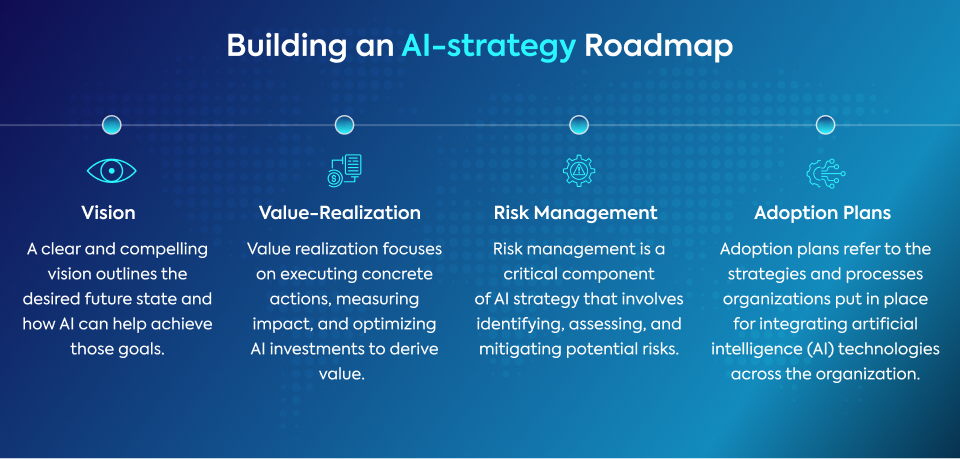
AI Business Authority — Part 12: A Practical Step‑by‑Step Framework for Building Sustainable Business Authority with AI
Learn a practical step-by-step framework for building sustainable business authority using AI tools. Audit, create content, optimize SEO, and measure ROI.
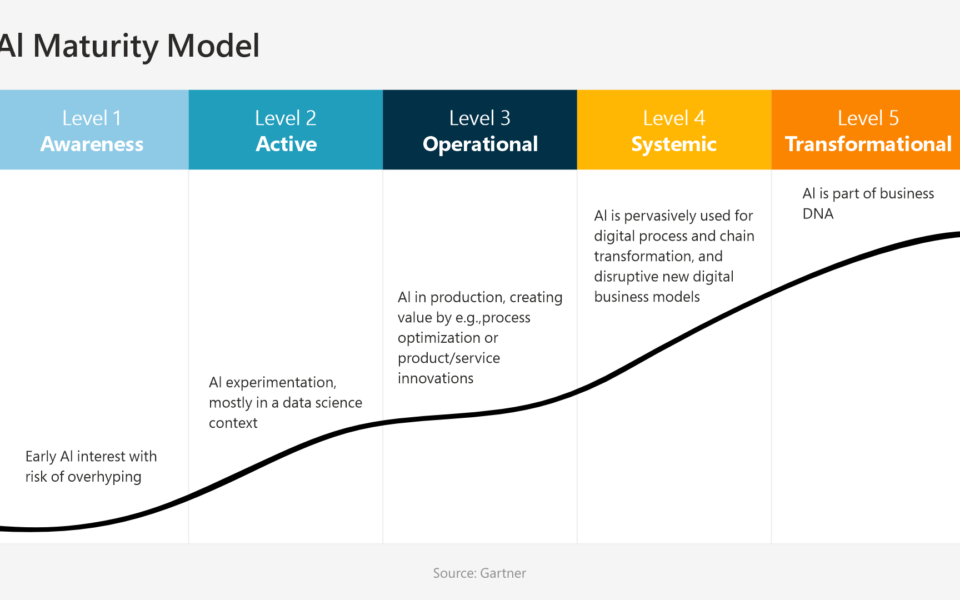
AI Business Authority — Part 13: From AI Experimentation to Strategic Authority: The Maturity Framework for Sustainable Business Influence
Discover the AI Authority Maturity Framework for sustainable business influence. Learn how to transition from scattered AI experiments to strategic authority positioning that drives measurable results.
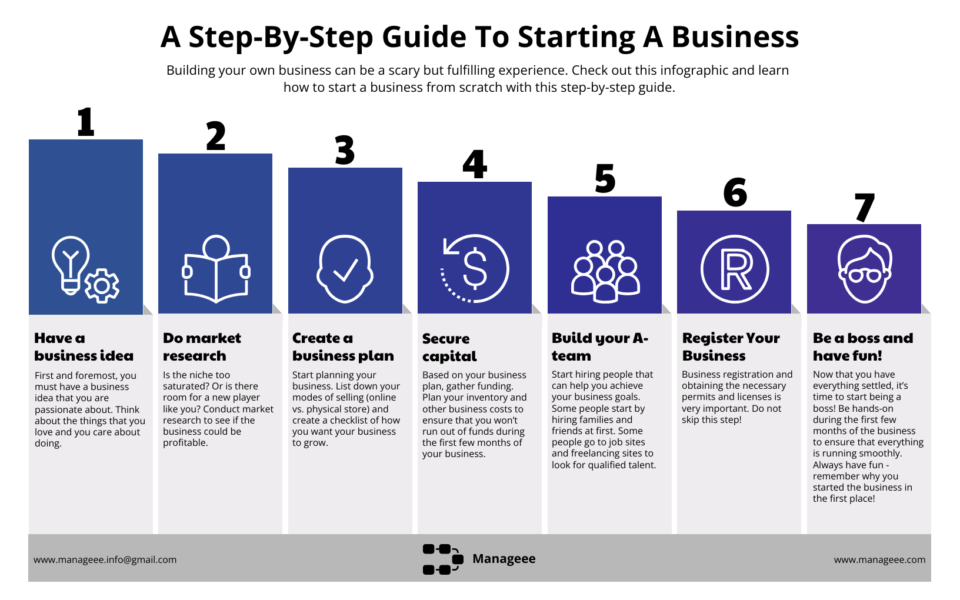
AI Business Authority — Part 14: A Pragmatic, Step‑by‑Step Guide for Senior Leaders to Harness AI and Strengthen Organizational Authority
A pragmatic step-by-step guide for senior leaders to harness AI and strengthen organizational authority. Covers content generation, market intelligence, brand monitoring, and SEO optimization.
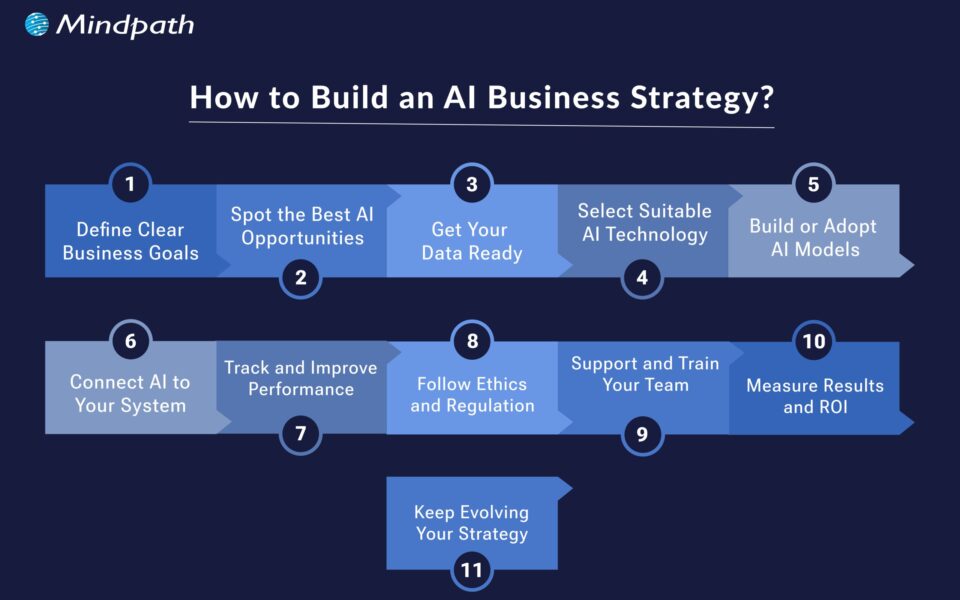
AI Business Authority — Part 15: A Practical Playbook for Leveraging AI to Build and Sustain Thought Leadership
A comprehensive playbook for leveraging AI to build thought leadership, enhance brand authority, and dominate your market with actionable strategies.
Small Businesses — Part 37: Building Resilience and a Competitive Edge in a Fast-Changing Economy
Part 37 of our small business series: Learn cash flow mastery, lean marketing, affordable tech stacks, legal essentials, and smart scaling strategies. Practical advice for building resilience and a competitive edge.