Security Best Practices for Business Software Solutions
In today’s interconnected digital landscape, protecting your business software solutions has become more critical than ever. Cyber threats are evolving at an alarming rate, and companies across the United States face unprecedented challenges in safeguarding their sensitive information. Whether you are a small startup or an established enterprise, the security of your software infrastructure directly impacts your bottom line, customer trust, and long-term success. This comprehensive guide will walk you through proven security best practices that every business should implement to protect their valuable assets and maintain operational excellence.
Understanding the importance of cybersecurity is the first step toward creating a robust defense system for your organization. As more businesses migrate their operations to cloud-based platforms and digital ecosystems, the attack surface for malicious actors continues to expand. However, with the right knowledge and implementation strategies, you can significantly reduce your vulnerability to cyber threats and ensure that your business software solutions remain secure, reliable, and efficient.
Why Security Matters for Your Business Software Solutions
The significance of security in business software solutions cannot be overstated. Every year, American businesses lose billions of dollars to cyberattacks, data breaches, and system compromises. Beyond financial losses, companies also face reputational damage, legal consequences, and operational disruptions that can take months or even years to recover from. For many organizations, a single security breach can be catastrophic enough to force permanent closure.
Customers, partners, and stakeholders expect businesses to protect their personal and financial information with the utmost care. When your software solutions demonstrate strong security practices, you build trust and credibility in the marketplace. This trust translates into customer loyalty, repeat business, and positive word-of-mouth referrals that contribute to sustainable growth and profitability.
Additionally, regulatory compliance requirements in the United States demand that businesses implement appropriate security measures to protect consumer data. Organizations that fail to meet these standards face substantial fines, legal action, and damage to their reputation. Investing in robust security for your business software solutions is not just a best practice—it is a legal and ethical obligation that protects both your company and your customers.
Essential Security Best Practices for Business Software Solutions
Implement Strong Authentication Protocols
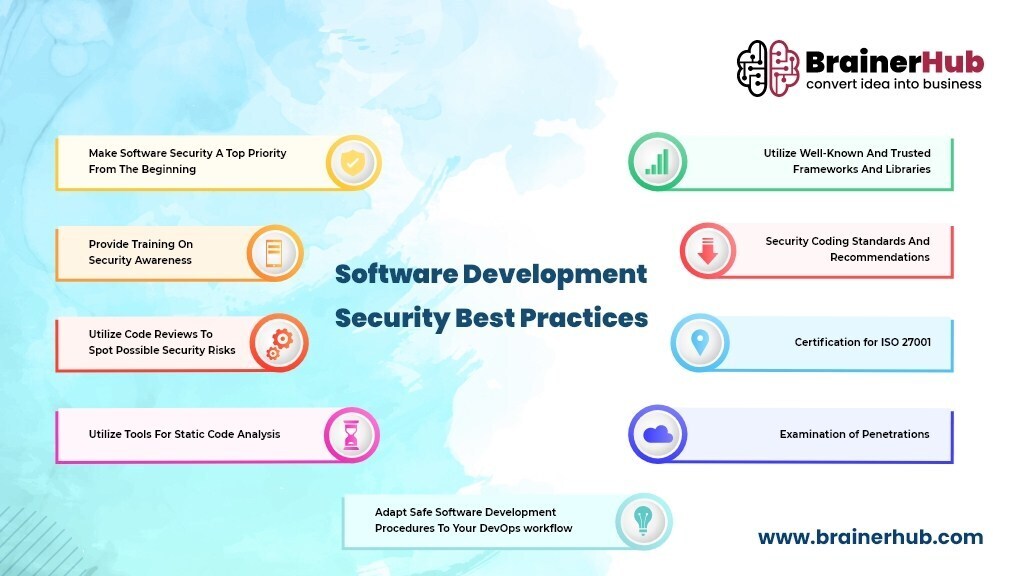
Multi-factor authentication should be a mandatory component of all your business software solutions. By requiring users to provide two or more verification factors—such as a password combined with a fingerprint scan or a one-time code sent to a mobile device—you create multiple layers of protection against unauthorized access. Even if a password is compromised, attackers will still be unable to access your systems without the additional verification factors.
Strong password policies are equally important. Enforce requirements for complex passwords that include uppercase and lowercase letters, numbers, and special characters. Encourage regular password updates and prohibit the reuse of previous passwords. Consider implementing a password manager solution within your organization to help employees maintain unique, secure credentials for all their work accounts without the burden of memorizing countless combinations.
Keep Software Updated and Patched Regularly
Outdated software represents one of the most common entry points for cybercriminals. Software developers constantly release updates and patches to address newly discovered vulnerabilities, and failing to install these updates promptly leaves your systems exposed. Establish a systematic approach to patch management that ensures all your business software solutions receive critical updates as soon as they become available.
Consider enabling automatic updates where possible, but also maintain a testing environment to verify that updates do not conflict with your existing systems or custom integrations. Document all changes and maintain rollback procedures in case an update causes unexpected issues. A well-organized patch management strategy minimizes security risks while maintaining system stability and functionality.
Encrypt Sensitive Data at Rest and in Transit
Data encryption is a fundamental safeguard for protecting sensitive information within your business software solutions. All data stored on servers, databases, and local devices should be encrypted using industry-standard algorithms such as AES-256. This ensures that even if physical hardware is stolen or unauthorized parties gain access to your storage systems, the data remains unreadable and useless to them.
Equally important is encrypting data during transmission. All communications between your systems and users should occur over encrypted channels using TLS 1.2 or higher protocols. This protection is especially critical for business software solutions that handle financial transactions, personal identifiable information, or confidential business communications. Never transmit sensitive data over unencrypted connections, as this creates opportunities for interception and eavesdropping.
Conduct Regular Security Audits and Penetration Testing
Proactive security assessment is essential for identifying vulnerabilities before malicious actors can exploit them. Schedule regular security audits to review your business software solutions, infrastructure configurations, access controls, and security policies. These audits should examine both technical safeguards and human factors that could compromise your security posture.
Penetration testing takes security assessment a step further by simulating real-world attacks against your systems. Professional penetration testers attempt to breach your defenses using the same techniques employed by actual hackers. The insights gained from these exercises help you prioritize remediation efforts and strengthen weak points in your security architecture. Many organizations conduct penetration tests annually or after significant changes to their software infrastructure.
Common Security Threats to Business Software Solutions
Understanding the types of threats targeting business software solutions helps you prepare more effective defenses. Cybercriminals employ various tactics to compromise systems, steal data, and disrupt operations. Familiarize yourself with these prevalent threats to better protect your organization.
Phishing attacks remain the most common method for gaining unauthorized access to business systems. These attacks trick employees into revealing login credentials or installing malware through deceptive emails, websites, or messages. Ransomware encrypts your data and demands payment for decryption keys, often causing significant operational paralysis. SQL injection attacks exploit vulnerabilities in database-driven applications to access or manipulate sensitive information. Denial of service attacks overwhelm your systems with traffic, making them unavailable to legitimate users.
| Threat Type | Primary Impact | Prevention Strategy |
|---|---|---|
| Phishing | Credential theft, malware installation | Employee training, email filtering, verification procedures |
| Ransomware | Data encryption, operational disruption | Regular backups, endpoint protection, access controls |
| SQL Injection | Data breach, system compromise | Input validation, parameterized queries, security testing |
| Denial of Service | System unavailability, lost revenue | DDoS protection, traffic monitoring, scalable infrastructure |
| Insider Threats | Data theft, sabotage, fraud | Least privilege access, monitoring, background checks |
Building a Security-First Culture in Your Organization
Technology alone cannot guarantee the security of your business software solutions. Human factors often represent the weakest link in any security strategy, making employee awareness and training essential components of your defense approach. Creating a security-first culture means that every member of your organization understands their role in protecting sensitive information and maintaining secure practices.
Invest in regular cybersecurity training programs that educate employees about current threats, security best practices, and company policies. Simulate phishing attacks to test employee awareness and identify those who may need additional training. Encourage a culture where employees feel comfortable reporting suspicious activities without fear of punishment, enabling rapid response to potential security incidents.
Establish clear security policies and procedures that outline expectations for all users of your business software solutions. Document acceptable use guidelines, incident reporting protocols, and consequences for policy violations. Ensure that these policies are accessible, understandable, and consistently enforced across all levels of the organization. When security becomes an integral part of your organizational culture, it transforms from a technical challenge into a shared responsibility that everyone embraces.
Frequently Asked Questions
How often should we update our business software solutions for security purposes?
Security updates should be applied as soon as they become available, particularly critical patches that address actively exploited vulnerabilities. Establish a regular schedule for reviewing and deploying updates, with emergency procedures for addressing urgent security issues. Most software vendors release updates on a monthly or quarterly basis, but you should monitor for critical security announcements that require immediate action outside regular cycles.
What is the most important security measure for small businesses using business software solutions?
While all security measures are important, implementing multi-factor authentication provides the most significant immediate improvement for small businesses. It addresses the most common attack vector—compromised passwords—without requiring significant technical expertise or infrastructure investment. Combine this with regular employee training and automated backup systems for a strong foundational security posture.
How can we ensure our business software solutions are compliant with industry regulations?
Research the specific regulatory requirements applicable to your industry, such as HIPAA for healthcare, PCI-DSS for payment processing, or SOC 2 for service organizations. Implement controls and documentation that demonstrate compliance with these standards. Consider working with compliance specialists or auditors who can verify your adherence to regulatory requirements and identify areas for improvement.
Should we handle security management internally or hire external experts?
This decision depends on your organization’s size, resources, and the complexity of your business software solutions. Many companies benefit from a hybrid approach, with internal teams handling day-to-day security operations while engaging external experts for specialized assessments, penetration testing, and incident response. Smaller organizations may find it more cost-effective to outsource security management entirely to managed security service providers.
Conclusion
Securing your business software solutions requires a comprehensive, multi-layered approach that combines technological safeguards, organizational policies, and human awareness. The threat landscape continues to evolve, making it essential for businesses across the United States to remain vigilant and proactive in their security efforts. By implementing strong authentication, maintaining updated systems, encrypting sensitive data, and fostering a security-first culture, you significantly reduce your vulnerability to cyberattacks.
Remember that security is not a one-time achievement but an ongoing commitment. Regularly review and update your security practices to address emerging threats and incorporate lessons learned from security incidents, both within your organization and across the broader business community. The investment you make in protecting your business software solutions today will pay dividends in the form of preserved customer trust, operational continuity, and long-term business success.
Do not wait until a security breach occurs to take action. Start implementing these best practices today and ensure that your business software solutions remain secure, reliable, and trusted by everyone who depends on them.
Take the Next Step Toward Better Security
Protecting your business software solutions is an ongoing journey that requires expert guidance and support. Our team of cybersecurity professionals is ready to help you assess your current security posture, identify vulnerabilities, and implement tailored solutions that meet your unique business needs. Whether you need assistance with security audits, employee training, compliance preparation, or comprehensive security management, we have the expertise to support your goals.
Read related articles on our blog to learn more about cybersecurity trends, best practices, and practical tips for securing your business software solutions. Stay informed about the latest threats and defense strategies that can help keep your organization safe.
Contact us for more information about our security services and discover how we can help strengthen your defenses against cyber threats. Our consultants are standing by to answer your questions and provide personalized recommendations for your specific situation. Reach out today to schedule a consultation and take the first step toward a more secure future for your business.